

Understanding Your Nervous System
Introduction
Many people sense their body is carrying more tension than it needs to, but aren’t always sure where to begin exploring it. You might notice tight shoulders that never quite relax, difficulty switching off at the end of the day, or the feeling that your nervous system stays slightly “on” even when nothing urgent is happening.
These experiences are often connected to the way the nervous system adapts to stress over time. When we begin to understand these patterns, something important happens, the body often starts finding its way back toward balance.
Below are a few articles that explore how the nervous system responds to stress, how those patterns can show up in the body, and how the body can begin releasing them.
What Is Nervous System Regulation?
Nervous system regulation refers to the body’s ability to move fluidly between activity and recovery.
At times your nervous system helps you focus, respond to challenges and navigate the demands of daily life. At other times it allows the body to slow down, rest and repair. When this balance is working well, the body can respond to stress and then return naturally to a more settled state. But when stress continues for long periods, the nervous system may remain slightly activated even when the day is over.
This is when people begin noticing signs such as persistent muscle tension, difficulty relaxing, or feeling tired but wired.
Understanding how the nervous system regulates itself can help explain many of the patterns people experience in their body, and how those patterns can begin to change.
Many people exploring this topic are ultimately searching for ways to support nervous system regulation naturally and help the body release long-held stress patterns.
How the Nervous System Responds to Stress
Your nervous system is constantly interpreting what’s happening around you and adjusting the body accordingly.
When life becomes busy or demanding, the body may adapt by holding tension so it can keep functioning. Over time these adaptations can become long-standing patterns that the body carries without us even realising it.
This article explores why the nervous system sometimes struggles to fully settle — and how it can begin returning to a more natural rhythm.
👉 Read: Why Your Nervous System Won’t Switch Off
Feeling Wired but Tired?
Many people notice that they feel exhausted but their body still struggles to fully relax.
👉 Read : Why You Feel Wired but Tired
Signs Your Nervous System May Be Holding Stress
Stress doesn’t always show up as something we think or feel emotionally. Often it appears in the body first.
The nervous system influences breathing, muscle tension, sleep and how easily the body can relax. Learning to recognise the signs of nervous system overload can help you understand what your body may be asking for.
👉 Read: Signs Your Nervous System Is Stuck in Stress Mode
How Stress Gets Stored in the Body
Stress doesn’t only affect the mind — it can also leave patterns within the body.
These patterns often show up as tension through the spine, restricted breathing, or persistent tightness through the shoulders and neck. This article explores how the body adapts to stress and how those patterns can gradually begin to change.
👉 Read: How Stress Gets Stored in the Body
The Nervous System and Healing
As the nervous system becomes more adaptable, the body often begins releasing long-held tension patterns. Breathing deepens. Muscles soften. The body moves more easily between activity and recovery. This article explores how nervous system regulation supports healing and resilience.
👉 Read: The Nervous System and Healing: How the Body Releases Stress
Exploring Network Spinal Care in Sydney
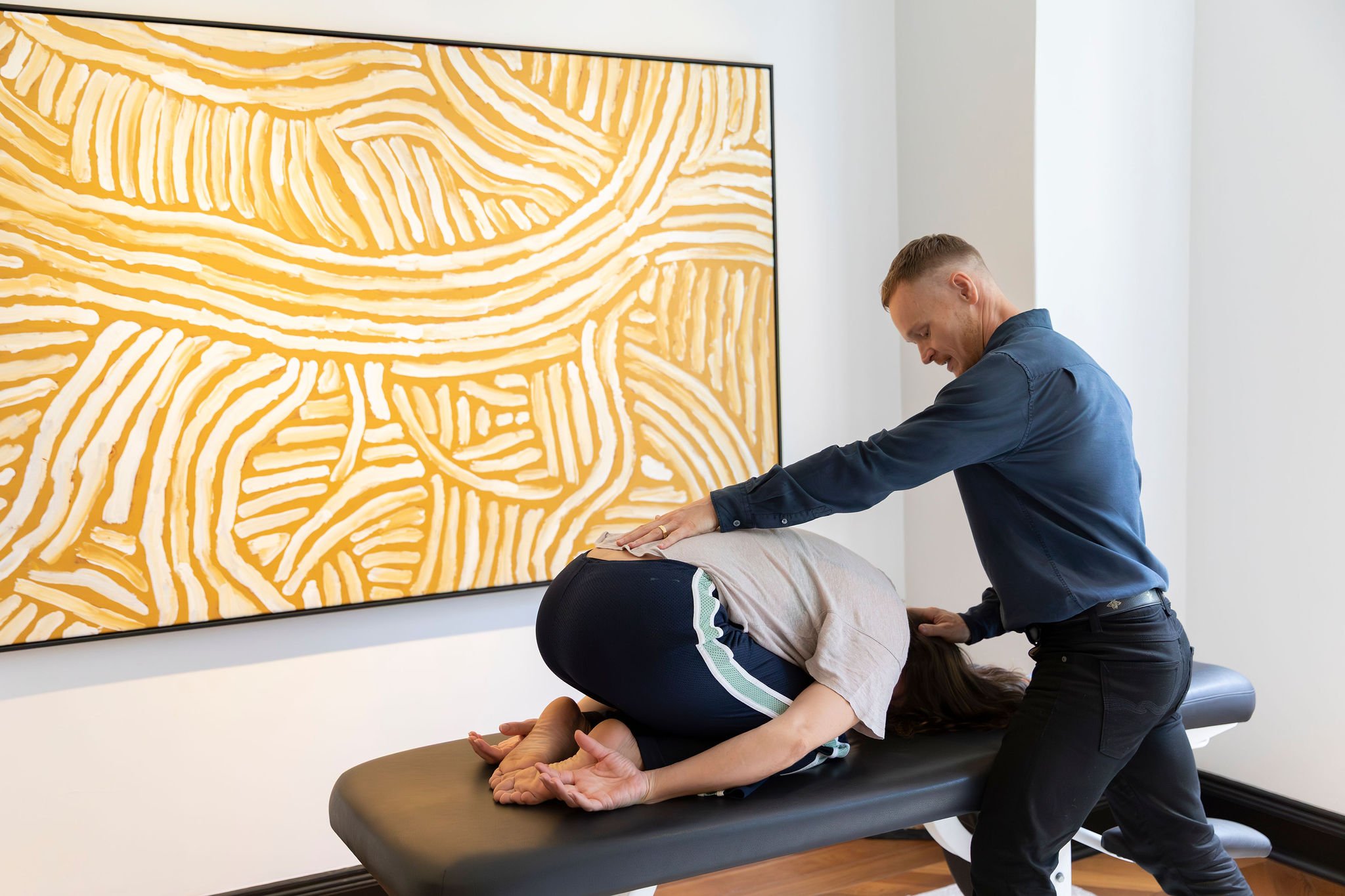
Network Spinal Care focuses on helping the nervous system release patterns of stress held within the spine and surrounding tissues. Through gentle contacts along the spine, the body often becomes more aware of how it is organising tension, and can begin reorganising those patterns naturally.
Over time, many people notice their breathing becomes deeper, their bodies hold less tension, and their nervous system becomes more adaptable to the demands of daily life.
If you’re curious about how this work may support your nervous system, you can learn more here: 👉 Network Spinal Care Sydney
Or if you’d like to experience the work directly, you’re welcome to Book a Visit.
Frequently Asked Questions About the Nervous System
What does nervous system regulation mean?
Nervous system regulation refers to the body’s ability to move naturally between states of activity and recovery.
When the nervous system is working well, the body can respond to stress when needed and then return to a calmer, more settled state once the situation has passed.
When this balance is disrupted for long periods, the body may stay slightly “on”, which can show up as tension, restlessness, or difficulty fully relaxing.
Why does my body hold tension even when I’m calm?
Many people notice that their body still feels tight or alert even when their mind feels relatively calm.
This can happen because the nervous system stores patterns from past stress or pressure. Over time, the body learns to hold tension as a way of adapting to those experiences.
These patterns often show up through the spine, breathing patterns, and muscle tension, particularly around the neck and shoulders.
What are signs my nervous system may be under stress?
The nervous system influences many systems in the body, so signs of stress can appear in different ways.
Common patterns people notice include persistent muscle tension, shallow breathing, difficulty relaxing, trouble sleeping, or feeling tired but wired at the end of the day.
These signs often reflect a nervous system that has been working hard for a long time.
Can the nervous system learn to relax again?
Yes. The nervous system is designed to adapt and reorganise throughout life.
When the body becomes more aware of how it is holding tension, it often begins to release those patterns naturally. Over time, this can allow the nervous system to move more easily between effort and recovery.
How does Network Spinal Care support the nervous system?
Network Spinal Care focuses on helping the body become aware of patterns of tension held in the spine and nervous system.
Through gentle contacts along the spine, the body often begins reorganising how it distributes stress and tension. As this happens, many people notice deeper breathing, reduced tension, and a greater sense of ease in the body.
Where can I learn more about nervous system regulation?
If you’d like to explore this topic further, you may find these articles helpful:
• Why Your Nervous System Won’t Switch Off
• Signs Your Nervous System Is Stuck in Stress Mode
• How Stress Gets Stored in the Body
• The Nervous System and Healing
These articles explore how the nervous system adapts to stress and how the body can begin returning to balance.

Healing doesn’t eliminate all the hard moments. It changes how you handle them.
- Thema Bryant-Davis.